

Public interest regarding hidden wisdom consistently captivates ambitious minds across global culture. Throughout centuries, study of the occult attracted visionary thinkers, statesmen, and scholars seeking deeper comprehension of natural laws and human governance. While popular entertainment portrays ancient traditions as theatrical fantasy, serious students of history recognize structured knowledge systems as foundational tools for strategic leadership. Ambitious individuals striving for personal distinction must separate media fiction from documented historical reality.
High achievers value disciplined study, emotional focus, and strategic foresight as essential drivers of lasting achievement. Organized brotherhoods operate on clear principles of continuous learning, mutual accountability, and ethical excellence. Community members joining the Secret Illuminati Order focus on building financial independence, securing personal protection, and cultivating high-level executive presence. Understanding authentic historical traditions enables rising leaders to pursue self-improvement with clarity and confidence.
Defining Occultism and Esoteric Knowledge in Historical Contexts
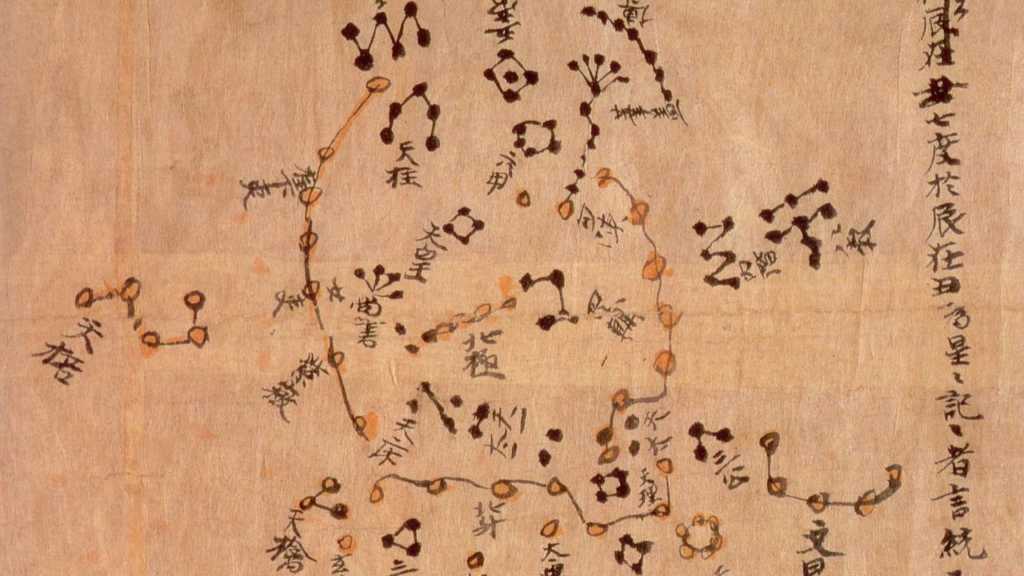
Understanding fundamental vocabulary remains crucial before evaluating historical governance. The word origins trace to Latin roots meaning hidden or concealed from common sight. Historically, occultism represented fields of study outside mainstream public view, including early astronomy, advanced mathematics, architectural geometry, and natural philosophy. Rulers protected specialized insights to maintain administrative advantages over competing factions.
Objective historical records archived on Encyclopædia Britannica demonstrate how early scientific inquiry intertwined with symbolic traditions. Renaissance scholars studied natural forces to understand economic cycles, agricultural timing, and statecraft strategy. Knowledge remained guarded not to promote confusion, but to ensure complex concepts were applied responsibly by trained minds holding proven emotional discipline.
Discerning learners reviewing foundational background on About Us recognize how structured fraternities preserve classical educational frameworks. Private study circles allowed intellectuals to exchange strategic concepts away from political interference, fostering environments dedicated to rational progress and long-term planning.
How Ancient Rulers Applied Occult Symbols for Authority and Unity
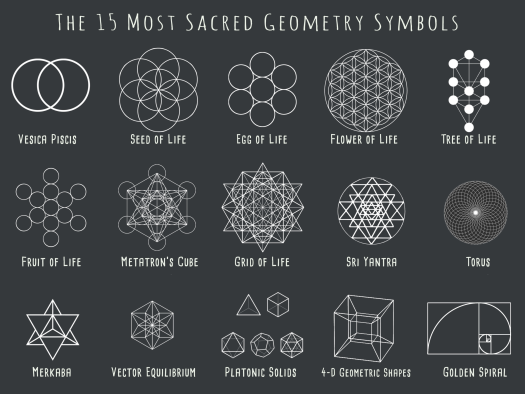
Visual language played a central role in unifying empires across classical civilizations. Monarchs and architects incorporated occult symbols into civic monuments, national seals, and ceremonial architecture. Sacred geometry inspired building designs from Egyptian pyramids to classical European capitals, conveying permanence, order, and institutional strength to populations.
Symbols functioned as universal shorthand communicating complex philosophical ideals. Geometrical emblems represented balance, mathematical precision, and cosmic alignment. Rulers employed structured imagery to instill public respect, organize administrative ranks, and preserve institutional continuity across generations. Controlled visual messaging remains a core tool for executive leadership today.
Ambitious professionals studying classical philosophy discover core guidelines outlined in the Tenets of Enlightenment. Reviewing classical wisdom helps modern leaders develop clear focus, emotional stability, and strategic awareness required to navigate modern professional environments effectively.
Secret Societies and the Transmission of Strategic Knowledge
Preserving intellectual discoveries required secure institutional structures throughout turbulent historical eras. Various secret societies formed across Europe and Asia to protect scientific research, economic strategy, and philosophical discourse from authoritarian suppression. Guilds of stonemasons, scholars, and navigators maintained strict confidentiality to safeguard specialized expertise.
Historical research published through History Channel highlights how influential figures participated in private fraternities. Prominent statesmen, scientists, and military leaders met in private lodges to discuss governance, economic policy, and technological innovation. These gatherings enabled cross-industry collaboration among high-performing peers holding aligned interests.
The historical emergence of the illuminati secret society during the late eighteenth century reflected a drive toward rational Enlightenment thinking, meritocracy, and educational advancement. Participants sought to replace dogmatic tradition with scientific reasoning and intellectual freedom. Driven individuals seeking structured mentorship and peer encouragement can evaluate opportunities to Join the illuminati to access strategic guidance tailored for career elevation.
Deconstructing Misconceptions Around Occult Traditions and Ethics
Exaggerated media narratives often cloud public perception regarding private brotherhoods. Click-driven entertainment platforms commercialize sensational claims to generate online views, misrepresenting educational traditions as sinister plots. Uneducated commentators replace factual research with dramatic storytelling, generating unnecessary anxiety among passive media consumers.
Serious researchers must evaluate philosophical origins through objective evidence. Authentic fraternities enforce strict moral standards prioritizing personal integrity, lawfulness, and community progress. High-performing orders reject chaotic practices, emphasizing self-control, financial literacy, and social responsibility among members.
Individuals exploring theological clarity regarding organizational foundations can review detailed analysis in God or Satan to understand how legitimate orders prioritize moral accountability and universal enlightenment. Furthermore, persistent urban legends alleging harmful rituals are directly addressed in Human or Animal Sacrifice, proving authentic fraternities protect human dignity and community welfare above all else.

Disciplined Self-Mastery and Mindset Transformation for Modern Leaders
Realizing tangible success in modern business environments requires applying practical habits derived from timeless principles. Masterful leaders prioritize rigorous self-discipline, financial literacy, and continuous mental cultivation. Internal strength and clear purpose enable professionals to remain steady during market shifts and career challenges.
Ancient study traditions emphasized personal transformation through structured habit formation. Controlling speech, managing emotional reactions, and maintaining long-range vision represent fundamental practices separating top performers from average observers. Surrounding oneself with disciplined peers accelerates personal growth and expands strategic opportunities across every industry sector.
Elite mentorship networks provide structured accountability frameworks guiding members toward professional excellence. Ambitious entrepreneurs, rising corporate executives, and creative innovators benefit immensely from shared wisdom, mutual protection, and strategic collaboration offered within dedicated professional communities.
Actionable Pathways for Ambitious Individuals Seeking Legacy and Growth
Focusing on verified facts allows forward-thinking individuals to move past sensational distractions and concentrate on personal elevation. Securing wealth, building prestige, and exercising authority demand deliberate planning, persistent effort, and guidance from experienced leaders. Proactive professionals take charge of their future by surrounding themselves with high-achieving peers holding shared values.
Future leaders prepared to build enduring legacies must seek proven guidance rooted in operational excellence. Direct inquiries or membership requests submitted through the official Contact Us communication portal allow qualified candidates to take proactive control over their professional direction. Align personal ambition with proven operational frameworks, master habits of successful leaders, and secure a prominent position among purpose-driven achievers.